
That IRS Tax Notice Won’t Go Away on Its Own.
Silencing IRS Tax Notices is One Thing the IRS Won't Accept

Getting a letter from the IRS can feel stressful and confusing. But each Tax Notice has a clear purpose—and knowing what it means can help you take control.
IRS notices usually include a notice number, what action is needed, and a deadline
Common reasons include unpaid taxes, missing income, or plans to take your wages or assets
Ignoring these letters can lead to wage garnishments, liens, or bank levies
You have rights to appeal, set up payment plans, or ask for penalty relief
Reading the notice carefully is the first step. The next step is taking action—and we’re here to help with that.
Common IRS Tax Notices & What They Mean
The IRS sends different types of letters depending on your tax situation. Each one has a number, a purpose, and a deadline.
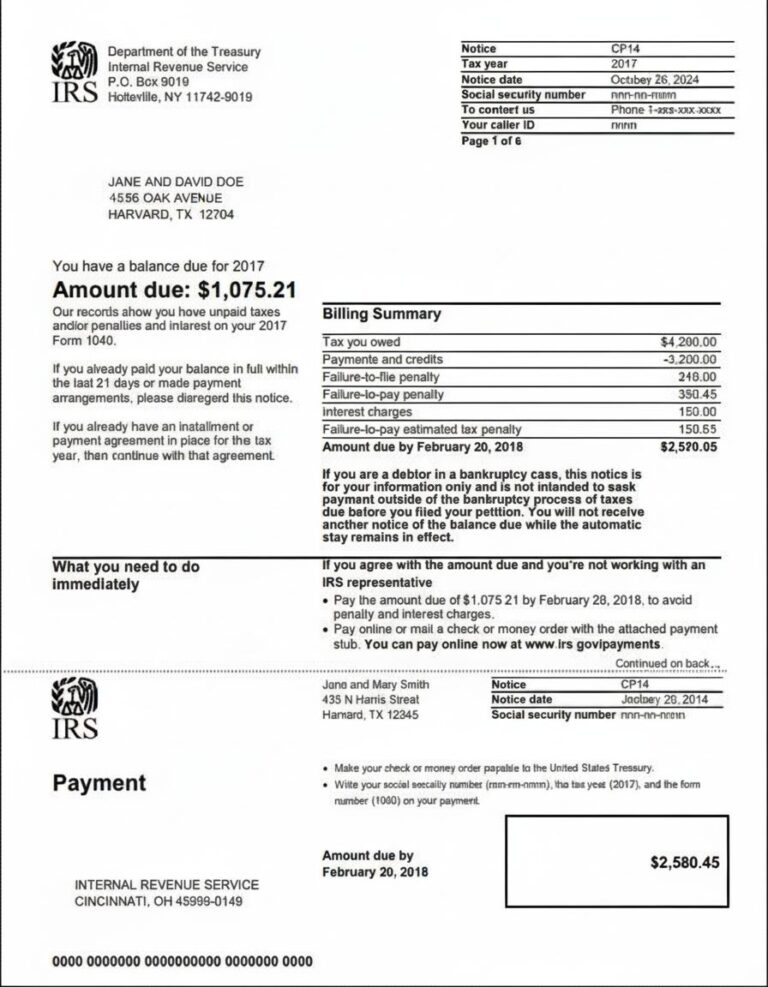
CP14 – Balance Due Notice
This is the first letter you’ll get if you owe taxes after filing your return. It tells you how much you owe and when it’s due.
-
Shows your tax balance, including penalties and interest
-
Provides a deadline to pay before more action is taken
-
Can lead to more serious notices if ignored
If you can’t pay in full, don’t wait—there are payment options. We can help you avoid extra penalties or collections.
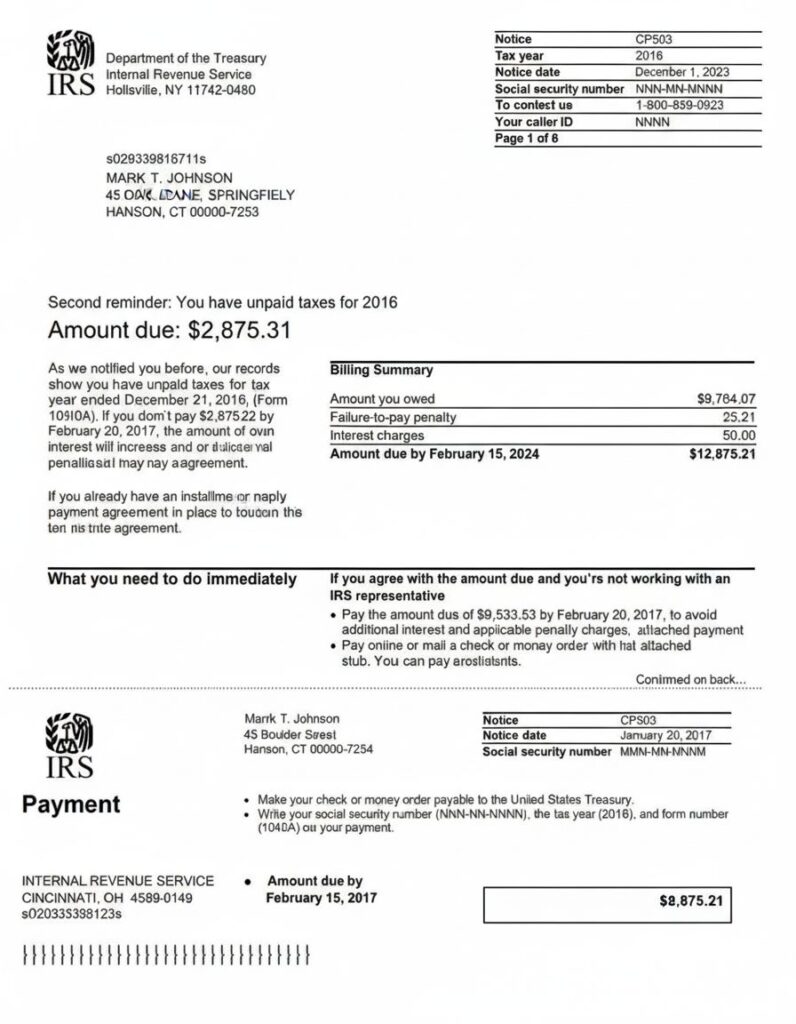
CP501 / CP503 / CP504 – Past Due Reminders
These are follow-up letters the IRS sends when you still haven’t paid. Each one gets more urgent, and CP504 is the last warning before collections begin.
These letters mean the IRS is getting serious. Call us before the situation gets worse.
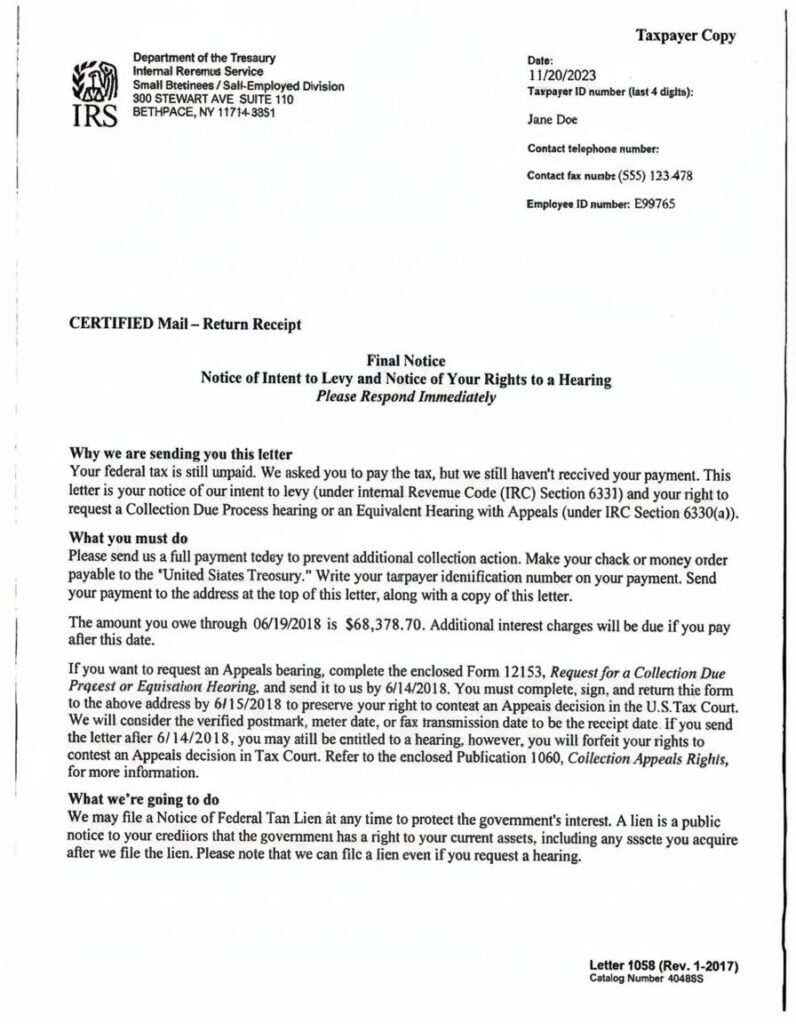
LT11 / Letter 1058 – Final Notice of Intent to Levy
This notice means the IRS is ready to take your money or property. It’s your last chance to stop them.
Gives you the right to request a Collection Due Process (CDP) hearing
Lists what the IRS plans to take (wages, accounts, etc.)
Includes a deadline to respond
If you don’t act, the IRS can start taking your income or assets. But you still have rights—and we can protect them.
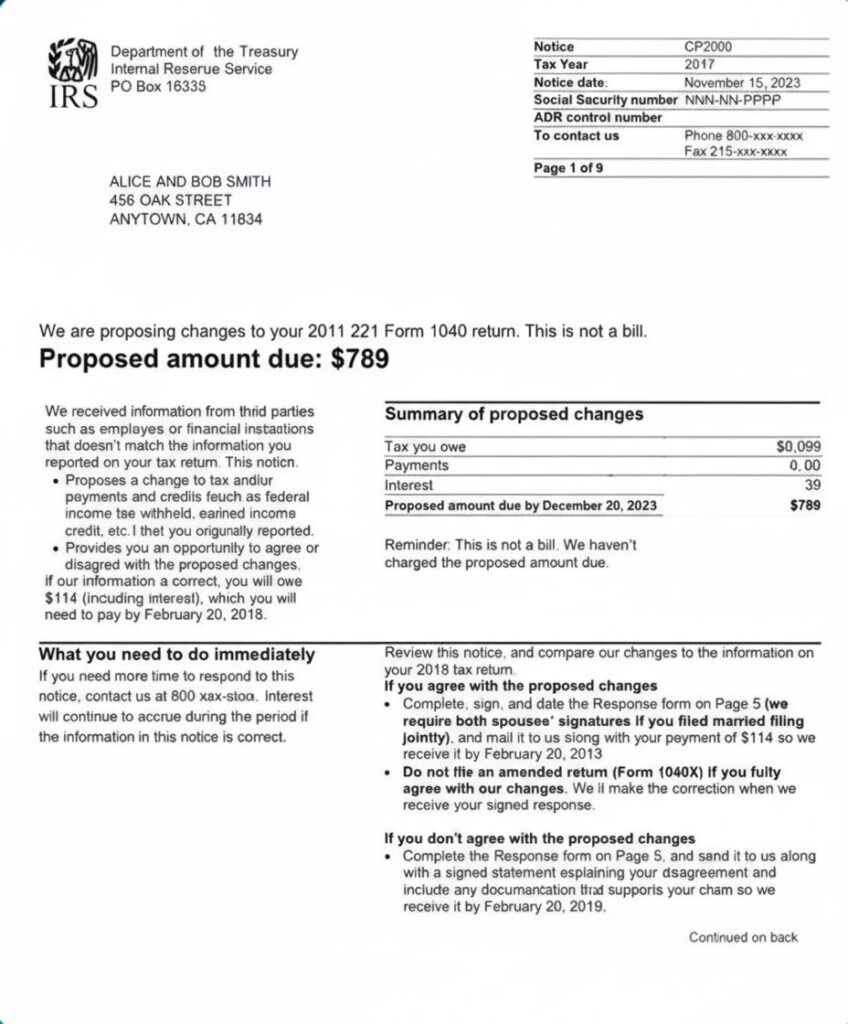
CP2000 – Proposed Changes to Your Return
This letter comes when your income doesn’t match IRS records. It’s not a bill yet, but it might become one.
Discrepancy Issues
The IRS thinks you underreported income based on:
W-2s from your job
1099s from freelance or contract work
Bank interest or stock sales
If you agree with the changes, you can pay or set up a plan. If not, we can help you respond with proof and avoid added taxes.
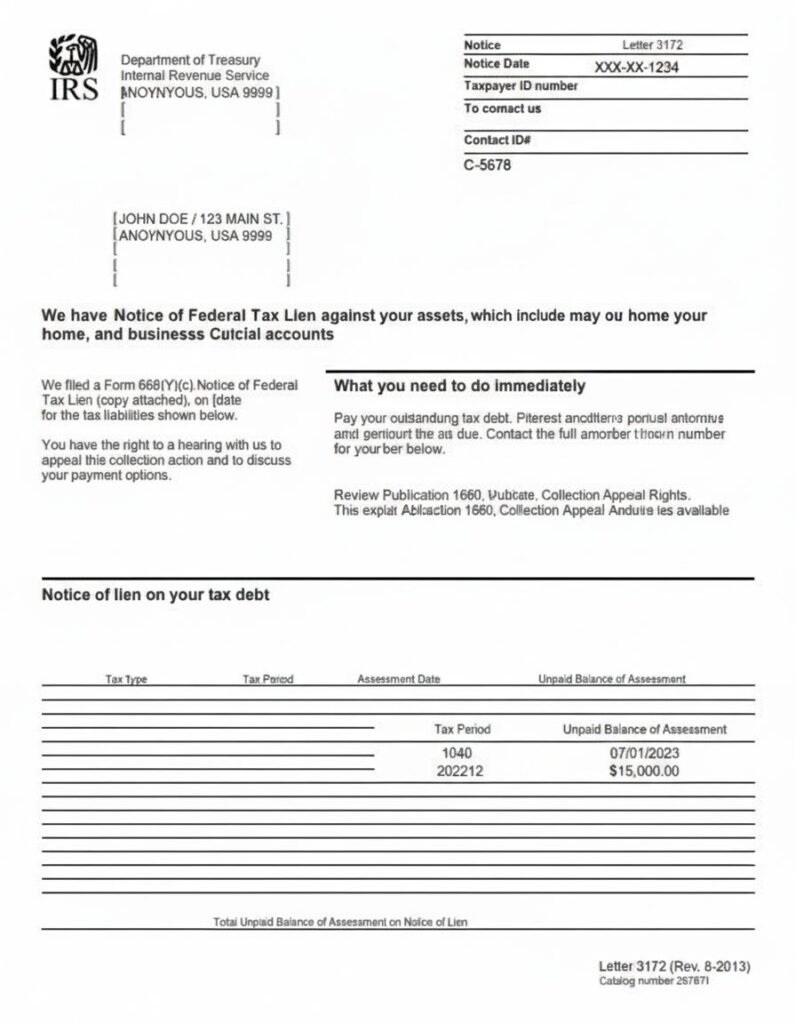
Letter 3172 – Federal Tax Lien
This letter tells you the IRS has filed a lien against your property. That means they’re claiming part of what you own.
Affects your home, car, or other property
Shows up on your credit report
Can hurt your ability to get loans
You may qualify to have the lien released or removed. Acting fast makes a big difference.
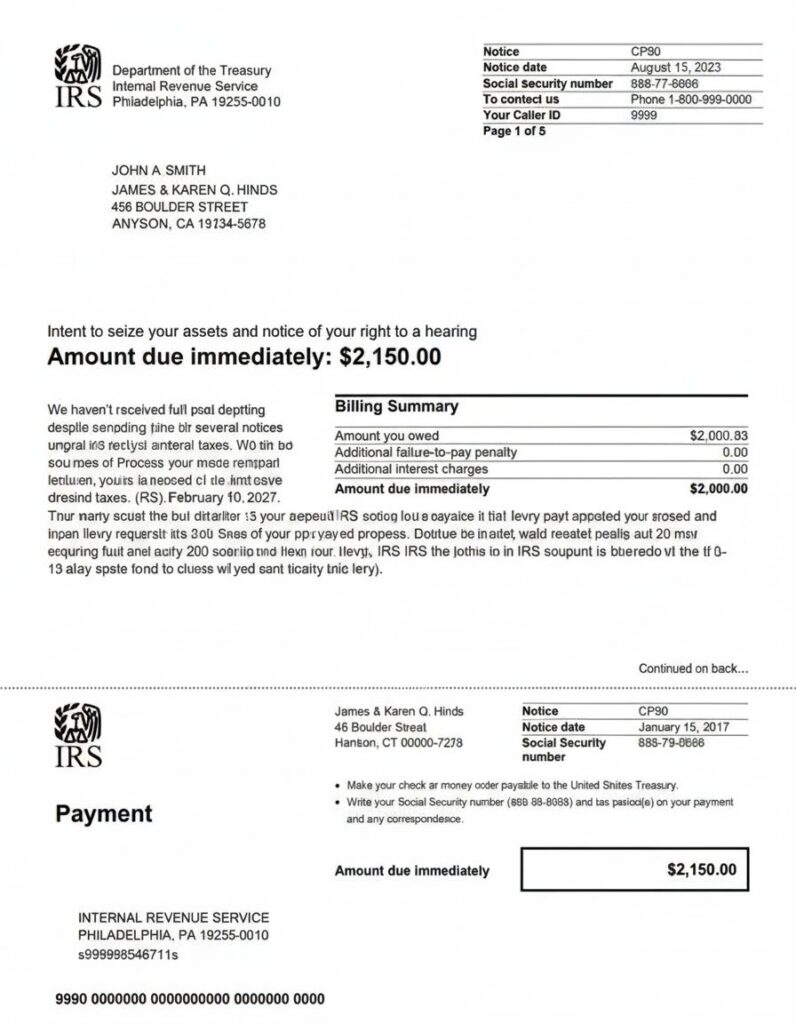
CP90 – Levy on Social Security
If you’re receiving Social Security, this letter means the IRS plans to take a portion of it. It’s a serious step when taxes go unpaid.
Explains how much will be taken
Lists your appeal rights
Comes with a deadline for response
We’ve helped many clients stop levies before they begin. There are hardship and relief options available.
How to Respond to an IRS or State Tax Notice
Receiving a tax notice from the IRS, FTB, or another agency can feel overwhelming—but it doesn’t always mean the worst. Sometimes, notices are simple requests for information or clarification. Other times, they may signal a balance due, an upcoming audit, or possible enforcement actions like liens, levies, or wage garnishments.
The most important thing to remember is not to ignore the notice. Acting quickly can prevent penalties from piling up and may give you more options for resolution.
At Izella Tax Relief, we review each notice carefully to determine what the IRS or state agency is really asking for. From there, we guide you step by step—whether it’s filing missing returns, setting up a payment plan, disputing errors, or negotiating a settlement. Our goal is to take the pressure off your shoulders so you can focus on moving forward.
If you’ve received a tax notice, bring it to us right away. A free, confidential consultation can make the difference between stress and peace of mind.
Take Action Before Penalties Grow
Don’t let an IRS or state tax notice spiral into liens, levies, or wage garnishments. The sooner you respond, the more options you have.
Certified to Serve You Best
At Izella Tax Relief, we believe that effective tax resolution starts with exceptional credentials. Our team holds some of the most respected certifications and affiliations in the tax industry, ensuring you receive knowledgeable, ethical, and results-driven service

American Society of
Tax Problem Solvers

National Association
of Enrolled Agents

California Society
of Enrolled Agents

Tax Cure

NTPI Fellow

Enrolled Agent

Certified Tax
Resolution Specialist

