If you’ve got a stack of tax years you haven’t filed, you’re not alone, and you’re not the only one in San Mateo County who’s been putting off opening that envelope from the IRS or the Franchise Tax Board. I hear versions of this story often, whether it’s a Daly City homeowner who lost track after a rough year, a self-employed contractor in San Mateo who never got around to filing for two or three years, or a retiree in Alameda who assumed no income meant no obligation. Unfiled tax returns in San Mateo are more common than most people think, and the good news is that there are steps you can explore before things escalate. Knowing your options for unfiled tax returns San Mateo can help. Additionally, addressing unfiled tax returns San Mateo early can prevent future complications.
I’m Izella Lui, a licensed Enrolled Agent working right here in the Bay Area. I work alone, by design, so when you reach out, you’re not passed between departments or handed off to a call center. You’re talking with the person who will actually look at your situation. This post walks through what typically happens when returns go unfiled, what the IRS and California can do about it, and what you may want to look into before either agency reaches out first.
Understanding the impact of unfiled tax returns San Mateo is crucial for making informed decisions moving forward.
Key Takeaways
Remember, unfiled tax returns San Mateo don’t just vanish. They require action to resolve. If you take nothing else from this, here’s what I’d tell a neighbor sitting across my desk in Daly City: unfiled returns don’t go away by themselves, but they also don’t have to turn into a crisis if you get ahead of them. The IRS and California FTB both have systems that eventually catch missing returns, usually through the income already reported by your employer, bank, or clients.
Once that happens, the numbers on their version of your return are almost always higher than what you’d owe if you filed it accurately yourself. Pulling your transcripts is a free, concrete first step you can take this week. And if you’re feeling overwhelmed by three or four years of missing paperwork, that’s genuinely normal. I see it constantly in this county, and it’s exactly the kind of situation I sit down with people to sort through, one year and one document at a time.
For those behind, exploring unfiled tax returns San Mateo is a vital step in regaining financial stability.
Why Returns Go Unfiled in the First Place
Taking control of your unfiled tax returns San Mateo can help you avoid further penalties. Many individuals in San Mateo are unaware of the consequences that can arise from unfiled tax returns San Mateo, leading to unnecessary stress. Addressing your unfiled tax returns San Mateo sooner rather than later is essential for peace of mind.
Being informed about the implications of unfiled tax returns San Mateo can significantly reduce stress. People often overlook the importance of addressing unfiled tax returns San Mateo promptly. After all, unfiled tax returns San Mateo can complicate your financial life if not addressed. It’s important to be proactive about unfiled tax returns San Mateo to avoid long-term consequences.
Taking immediate action can mitigate the effects of unfiled tax returns San Mateo. Staying informed about unfiled tax returns San Mateo helps keep your financial status in check. Understanding your situation involving unfiled tax returns San Mateo can lead to better outcomes.
Your Options for Unfiled Tax Returns San Mateo
Many people in San Mateo find it easier to take the first step in resolving unfiled tax returns San Mateo than they initially thought. Being proactive about unfiled tax returns San Mateo can help you avoid complications later.
Nobody plans to fall behind on filing. In my experience working with folks across San Mateo, Daly City, and the surrounding Peninsula, unfiled returns usually build up quietly. Maybe one year you were missing a W-2 and figured you’d file later. Maybe a divorce, a job loss, a medical issue, or caring for an aging parent took priority, and one missed year turned into two, then three. Self-employed and gig workers in this area, especially in food delivery, rideshare, and freelance trades, often fall behind because there’s no employer automatically withholding taxes, and the paperwork feels like a moving target.
Whatever the reason, the longer returns sit unfiled, the more the situation tends to grow. That’s not meant to scare anyone; it’s just how both federal and state systems are built. Knowing how they work is the first step toward figuring out your next move.
It’s never too late to tackle unfiled tax returns San Mateo with proper guidance. Starting the conversation about unfiled tax returns San Mateo can be the first step to resolving your tax issues. Gathering your documents related to unfiled tax returns San Mateo is a key step in the process. Assessing your situation with unfiled tax returns San Mateo can help clarify your next steps. Understanding your unfiled tax returns San Mateo status makes it easier to find solutions.
What Happens on the Federal Side
Working through unfiled tax returns San Mateo may open opportunities for financial relief. Each client I work with regarding unfiled tax returns San Mateo gets personalized attention to their unique tax situation. Clients dealing with unfiled tax returns San Mateo often feel a sense of relief once they start the process.
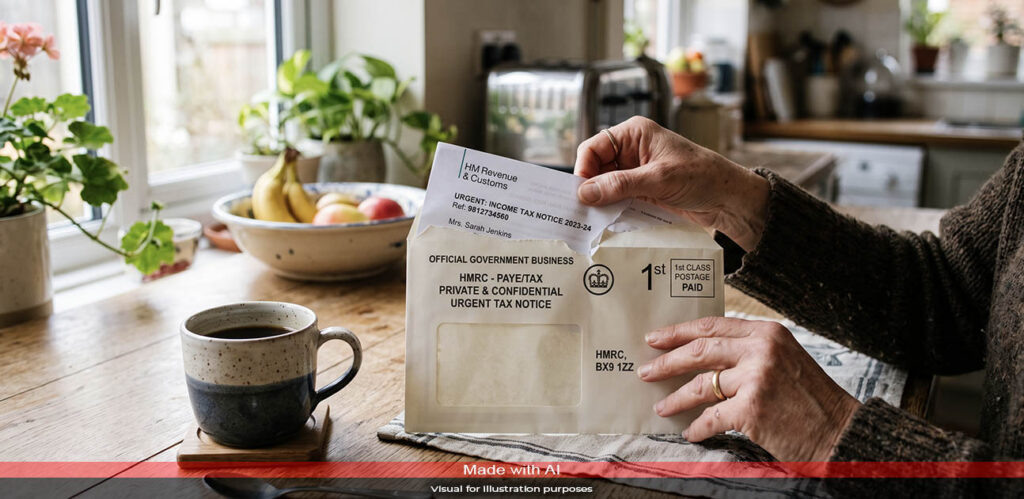
The IRS doesn’t forget about unfiled returns, even if it takes a while to catch up. When a return isn’t filed and the IRS has income information on file, such as W-2s, 1099s, or brokerage statements, the agency can eventually prepare what’s called a Substitute for Return. This is the IRS’s own version of your return, built only from the income documents they have. It typically doesn’t include deductions, dependents, business expenses, or filing status adjustments that could lower what you owe. That means the tax figure on an IRS-prepared substitute return is often higher than what you’d see on a return you filed yourself.
Many questions arise concerning unfiled tax returns San Mateo, and I’m here to provide clarity. On top of that, there’s a failure-to-file penalty, which generally runs 5% of the unpaid tax for each month or partial month a return is late, up to a maximum of 25%. If a return is filed more than 60 days after the deadline, there’s also a minimum penalty involved. Combined with interest and a failure-to-pay penalty, the total can add up faster than people expect.
The process of dealing with unfiled tax returns San Mateo can vary based on individual circumstances. Many self-employed individuals must navigate the complexities of unfiled tax returns San Mateo. Consolidating your approach to unfiled tax returns San Mateo can streamline the process. Understanding the importance of addressing unfiled tax returns San Mateo can lead to better financial decisions.
The IRS generally focuses enforcement on the last six years of unfiled returns under its internal policy, though that doesn’t mean older years disappear entirely, especially if there’s a balance connected to them. If wage garnishment, a federal tax lien, or a levy feels like something you want to avoid getting to, catching up on filing sooner rather than later matters.
What Happens on the California Side
California works a little differently, and it’s worth understanding because I see confusion about this often. The Franchise Tax Board uses data-matching technology to compare income reported by employers, banks, and other institutions against what’s actually been filed. When the FTB sees income on record with no matching California return, it typically sends a Demand for Tax Return, sometimes called an FTB 4600 notice, giving you a window, usually around 30 days, to respond.
If that notice goes unanswered, the FTB can move forward with a Notice of Proposed Assessment, estimating your income and calculating tax based on that estimate. This assessment usually includes the estimated tax itself, a demand penalty, a delinquent filing penalty, and a cost recovery fee. Because the FTB is estimating without your actual deductions or credits, the number on that notice is very often higher than what an accurately prepared return would show.
Here’s the detail that surprises a lot of people I talk with in San Mateo and Daly City: for a year where no California return was ever filed, there’s no statute of limitations on the FTB’s ability to assess tax. That’s different from years where a return was filed and simply had an error. It’s one more reason unfiled years are worth addressing rather than setting aside indefinitely.
Why This Shows Up So Often in San Mateo County
San Mateo County has a mix of high housing costs, a large self-employed and contractor workforce, and plenty of dual-income households juggling W-2 jobs alongside side work. Between tech contract work, real estate side income, small business ownership, and gig platforms, it’s common for someone’s tax picture to get more complicated year over year, and complicated tax pictures are exactly the kind that tend to get set aside when life gets busy. I’ve worked with clients across San Francisco, Alameda, and San Mateo County who simply had one complicated year that they never circled back to.
There’s also the cost-of-living factor that’s specific to this part of the Peninsula. When rent, mortgage payments, and everyday expenses take up most of a household’s income, tax paperwork often becomes the thing that gets pushed to “next weekend,” and next weekend has a way of turning into next year. I don’t say that to make anyone feel judged. It’s simply the reality I see in my own neighborhood, and it’s exactly why I think it helps to talk with someone local who understands the specific pressures of living in Daly City, San Mateo, or the surrounding communities, rather than a call center that has no context for any of it.
What Documents Help Before You Reach Out
Before you even schedule a conversation with a tax professional, there are a few things worth gathering on your own, since having them ready tends to make everything move faster. Old W-2s and 1099s are helpful if you still have them, though it’s fine if you don’t since transcripts can often fill in the gaps. Bank statements for the years in question can help reconstruct self-employment income if you were working as a contractor or running a small business. Any prior notices from the IRS or the FTB, even ones you set aside without opening, are worth pulling out, since the dates and details on them matter. And if your filing status changed during those years, through marriage, divorce, or a new dependent, that’s useful context too.
None of this needs to be perfectly organized before you reach out. I’d rather see what you actually have than have you spend weeks trying to make it presentable first.
What You Can Explore Before Either Agency Reaches Out
If you have unfiled returns, here’s generally where I’d start with a client, and what you may want to look into on your own before reaching out to anyone.
First, request your IRS wage and income transcripts. These show what income was reported to the IRS under your Social Security number for each year, which is often the missing piece when old records aren’t easy to find. This gives you and whoever helps you prepare returns a factual starting point.
Second, look at which years actually need to be filed. Not every unfiled year requires the same urgency, and sometimes a year with no income or minimal income doesn’t need a return at all. This is worth confirming rather than assuming.
Third, once returns are prepared and filed, you may find there are payment options worth looking into depending on your full financial picture, things like an installment agreement, a temporary hardship status if your income doesn’t currently cover basic expenses, or penalty abatement if this is a first-time lapse or there were reasonable circumstances involved. Whether any of these apply depends entirely on your specific numbers and history, so I’d rather walk through your actual documents with you than guess in general terms.
How I Work With San Mateo Clients
Because I’m a solo practitioner and a licensed Enrolled Agent, my work falls under IRS Circular 230, which means I’m not able to promise outcomes before I’ve actually reviewed your file, and honestly, I wouldn’t want to work that way even if I could. What I can do is sit down with you, pull your transcripts, look at what’s actually owed versus what might be overstated on an IRS or FTB estimate, and walk you through what you may qualify for based on your real numbers.
I work with people across Daly City, Alameda, San Francisco, and San Mateo County, often one-on-one over several conversations, because catching up on multiple years of unfiled returns isn’t usually a single-visit fix. It’s a process, and I’d rather you understand each step than feel rushed through it.
Frequently Asked Questions
How many years of unfiled tax returns should I worry about? The IRS generally focuses collection enforcement on the last six years, though older years can still matter if there’s an assessed balance. California’s rules differ, especially since there’s no time limit on assessing tax for a year that was never filed at all. I’d look at your specific history to see what actually applies to you.
Will I automatically owe a large amount if I haven’t filed in a few years? Not necessarily. The estimates the IRS or FTB generate through a substitute return or proposed assessment are often higher than what you’d owe on an accurately prepared return, because they don’t account for your deductions, filing status, or business expenses. Filing the actual return can sometimes bring that number down.
I’m self-employed with gig income. Does that change anything? It can. Self-employed and gig income in San Mateo County often means more complex recordkeeping, quarterly estimated tax considerations, and potential deductions that a substitute return wouldn’t capture. This is an area I work with often.
Can I file just this year and deal with older years later? You can, but I’d encourage looking at your full picture first. Sometimes addressing multiple years together, especially if a notice has already gone out, makes more sense than handling them piecemeal.
Do you work with clients outside San Mateo County? I primarily serve Daly City, Alameda, San Francisco, and San Mateo County, working with clients directly and personally since I don’t have a team behind me.
What’s the first step if I want to talk this through? Reach out and we’ll set up a time to go over your situation. I’d rather hear the specifics of your years and notices than speak in generalities, since every filing history is different.